
Apple·Available
iPhone SE (2nd generation)
$350US price
The iPhone SE (2nd generation) costs $350 in the US for the 64GB model and was released in April 2020. Key specs: Apple A13 Bionic, 4.7-inch 60Hz Retina IPS LCD, 12MP Main Camera with OIS, 1821 mAh battery.
Updated
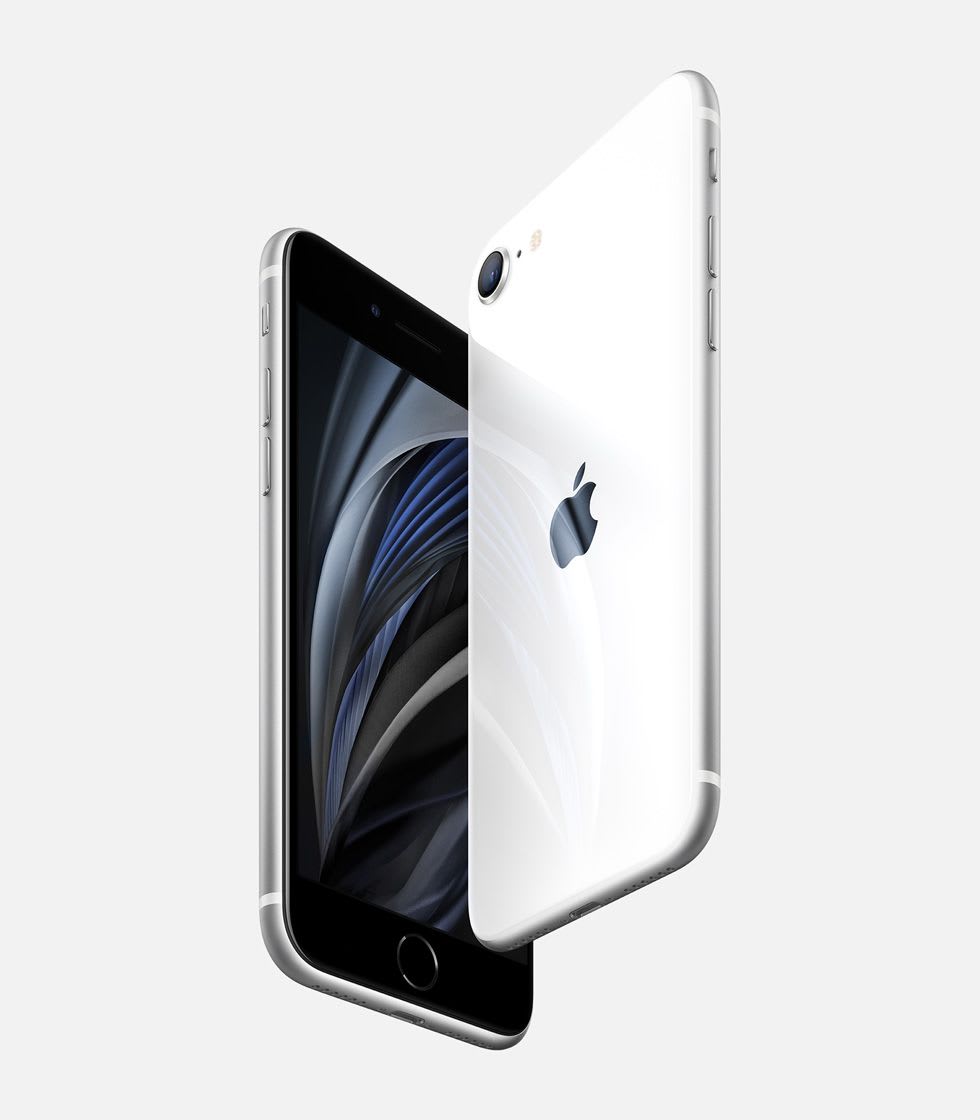


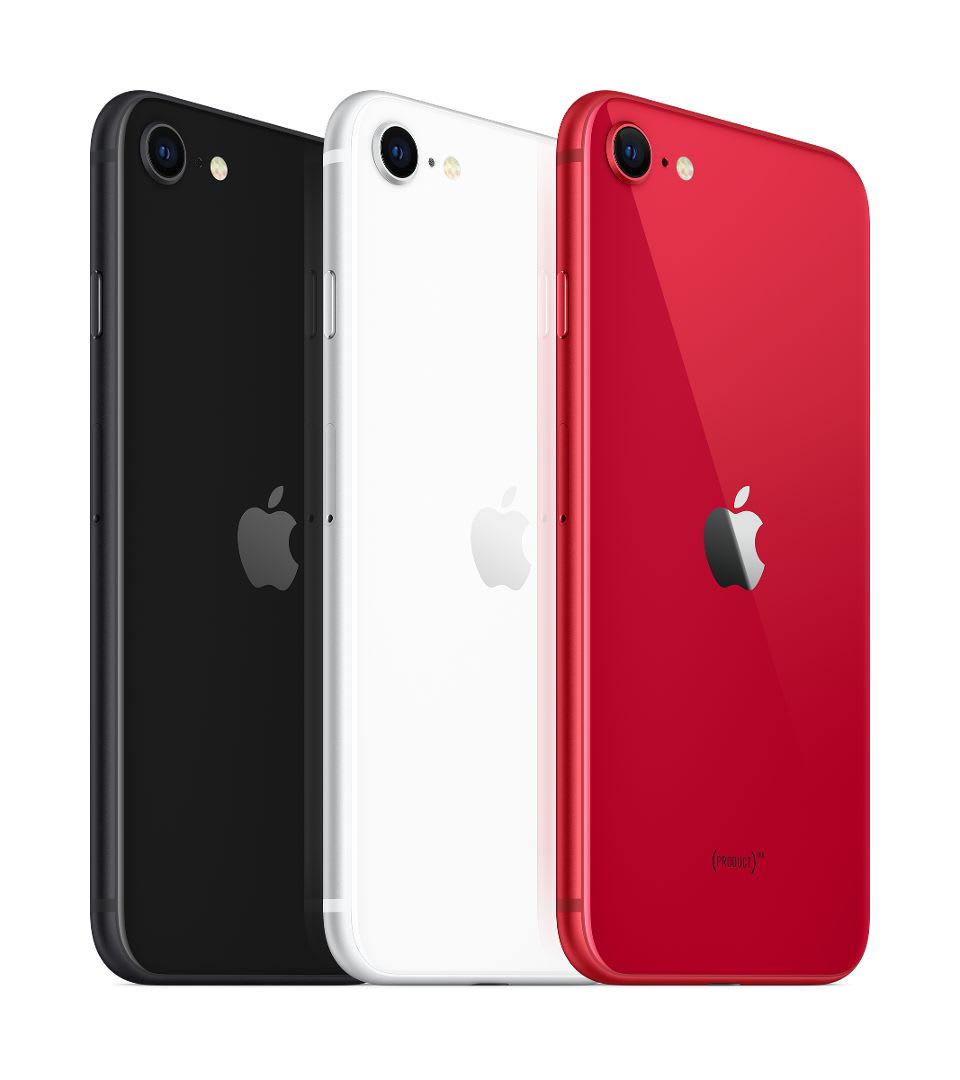
- Chipset
- Apple A13 Bionic
- Display
- 4.7-inch 60Hz Retina IPS LCD
- Main camera
- 12MP Main Camera with OIS
- Battery
- 1821 mAh Battery
Key features
- 5G: no
- NFC: yes
- eSIM: yes
- Wi-Fi 6/7: yes
- IP67: yes
- Headphone jack: no
- Released
- April 24, 2020
- Updates
- Supported for 5-6 years from release
- Colors
- Black, White, Product Red
iPhone SE (2nd generation) overview
The iPhone SE (2nd generation) is an Apple smartphone released in April 2020 with a US reference price of $350. It runs on the Apple A13 Bionic, has a 4.7-inch 60Hz Retina IPS LCD display, uses a 12MP Main Camera with OIS and packs a 1821 mAh battery.
Compare before you buy
General
- Weight
- 148 g
- Dimensions
- 138.4 x 67.3 x 7.3 mm
- Build
- Glass front, glass back, aluminum frame
- SIM
- Nano-SIM and eSIM
- Water resistance
- IP67 dust/water resistant (up to 1m for 30 mins)
- Variants
- None
Display
- Type
- Retina IPS LCD
- Size
- 4.7 inches
- Resolution
- 750 x 1334 pixels
- Refresh rate
- 60Hz
- Brightness
- 625 nits
- HDR
- HDR10, Dolby Vision
- Protection
- Ion-strengthened glass, oleophobic coating
- Pixel density
- 326 ppi
Performance
- Chipset
- Apple A13 Bionic
- CPU
- Apple A13 Bionic
- GPU
- Apple GPU (4-core graphics)
- Process
- 7 nm
- RAM
- 3GB
- Storage
- 64GB, 128GB, 256GB
- Storage type
- NVMe
- Geekbench (single / multi)
- None
- Cooling
- Standard passive cooling
Rear camera
- Cameras
- Single
- Main
- 12MP
- Ultrawide
- None
- Telephoto
- None
- Macro
- None
- Stabilization
- Yes
- Flash
- Quad-LED dual-tone flash
- Video
- 4K@24/30/60fps
Selfie camera
- Camera
- 7MP
- HDR
- HDR
- Portrait mode
- Yes
- Video
- 1080p@30fps
Battery & charging
- Capacity
- 1821 mAh
- Wired charging
- 18W
- Wireless charging
- Qi
- Reverse charging
- No (Supports standard wireless charging)
- Charger in box
- No, sold separately
- USB
- Lightning, USB 2.0
Network & connectivity
- 5G
- No
- Wi-Fi
- Wi-Fi 6
- Bluetooth
- 5.0
- NFC
- Yes, supports contactless payments
- Positioning
- GPS, GLONASS
- IR blaster
- No
- Headphone jack
- No, uses USB-C or Bluetooth
Sensors
- Fingerprint
- Touch ID (Front-mounted)
- Gyroscope
- Yes
- Compass
- Yes
- Accelerometer
- Yes
- Face unlock
- No
Software & AI
- OS
- iOS 13
- Updates
- Supported for 5-6 years from release
- AI features
- Siri voice integration
- AI photo editing
- No
- Live translation
- No
- AI assistant
- No
Disclaimer. We cannot guarantee that the information on this page is 100% correct. Read more
Pros and cons
Pros
- Offered the highly powerful A13 Bionic chip (from the iPhone 11) at an extremely low budget price.
- Featured the classic, well-loved design complete with a physical Home Button and Touch ID.
- Extremely compact and lightweight form factor, making it incredibly easy to use with one hand.
- Supported convenient wireless charging, which was a very rare feature at its price point.
Cons
- Battery life was famously terrible, often failing to last a full day of even moderate use.
- The 4.7-inch LCD screen felt very cramped and outdated compared to modern smartphones.
- Only featured a single rear camera and completely lacked Apple's impressive Night Mode capabilities.
- The massive top and bottom bezels around the screen made the device look much older than it actually was.
Frequently asked questions
How much does the iPhone SE (2nd generation) cost in the US?
The iPhone SE (2nd generation) starts at $350 in the US for the 64GB model. It comes with 64GB, 128GB and 256GB of storage; larger storage costs more.
When was the iPhone SE (2nd generation) released?
The iPhone SE (2nd generation) was released in April 2020.
What colors and storage options does the iPhone SE (2nd generation) come in?
The iPhone SE (2nd generation) comes in Black, White and Product Red. Storage options: 64GB, 128GB and 256GB.
Is the iPhone SE (2020) the same size as the iPhone 8?
Yes. The iPhone SE (2020) uses the exact same physical chassis as the older iPhone 8, meaning cases and screen protectors are 100% cross-compatible.
Does the iPhone SE (2020) have Face ID?
No, it relies entirely on the classic physical Home Button with Touch ID fingerprint recognition.
How is the battery life on the iPhone SE (2020)?
Poor. It is widely considered the weakest aspect of the phone, often requiring a mid-day recharge for heavy users.
Does the iPhone SE (2020) support wireless charging?
Surprisingly, yes. Despite its budget price, it features a premium glass back and fully supports standard Qi wireless charging.
Does it have Night Mode for the camera?
No. Although the A13 chip inside was theoretically capable of it, Apple artificially restricted Night Mode to the more expensive iPhone 11 series.