
POCO F9 Ultra vs Xiaomi 18 Pro
Detailed specifications comparison between the POCO F9 Ultra and the Xiaomi 18 Pro.
POCO F9 Ultra or Xiaomi 18 Pro: which should you buy?
On paper, the POCO F9 Ultra leads on battery size, zoom camera and display smoothness, while the Xiaomi 18 Pro is ahead on compact size, weight and water resistance. Pick the POCO F9 Ultra if battery life matters most to you, and the Xiaomi 18 Pro if you prefer a smaller phone.
Quick verdict
| Area | POCO F9 Ultra | Xiaomi 18 Pro | Winner |
|---|---|---|---|
| Battery | 8,050 mAh | 7,000 mAh | POCO F9 Ultra |
| Wired charging | 100W | 100W | Too close to call |
| Refresh rate | 185Hz | 120Hz | POCO F9 Ultra |
| Optical zoom | 5x | 3.2x | POCO F9 Ultra |
| Weight | 235 g | 203 g | Xiaomi 18 Pro |
| Dust & water rating | IP68 | IP68 | Xiaomi 18 Pro |
| Launch price | $799 | $843 | POCO F9 Ultra |
Across the 7 areas in the table, the POCO F9 Ultra wins 4, the Xiaomi 18 Pro wins 2, and 1 is too close to call. That makes the POCO F9 Ultra the stronger phone on paper, but the right pick still depends on what you value.
Choose the POCO F9 Ultra if you want
- A bigger battery (8,050 mAh vs 7,000 mAh)
- Longer optical zoom (5x vs 3.2x)
- A smoother display (185Hz vs 120Hz)
- A bigger screen (6.9 inches)
- A lower price ($799 vs $843 at launch)
Choose the Xiaomi 18 Pro if you want
- A more compact phone (6.4-inch screen)
- A lighter phone (203 g vs 235 g)
- Better dust and water protection (IP68 rating)
The POCO F9 Ultra suits you if battery life matters most to you and you take a lot of zoomed photos. The Xiaomi 18 Pro suits you if you prefer a smaller phone and you want a lighter phone. Under the hood, the POCO F9 Ultra runs on the Qualcomm Snapdragon 8 Elite Gen 5 and the Xiaomi 18 Pro on the Snapdragon 8 Elite Gen 6.
Based on manufacturer specifications, not hands-on use. Real battery life and camera quality also depend on software tuning.
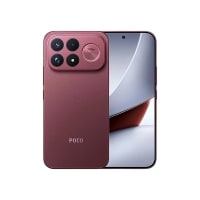
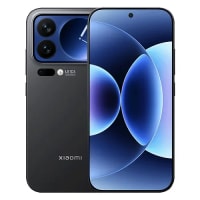
| Release Date | September 1, 2026 (global) | September 23, 2026 |
|---|---|---|
| Operating System | Xiaomi HyperOS 3, Xiaomi HyperOS 3 | Android 17, HyperOS 4 |
| Display Size | 6.9 inches | 6.4 inches (Main), 2.7 inches (Rear) inches |
| Display Type | AMOLED | LTPO AMOLED |
| Resolution | 2608 × 1200 pixels | 1120 x 2436 |
| Refresh Rate | Up to 185Hz | 120Hz |
| Processor / Chipset | Qualcomm Snapdragon 8 Elite Gen 5 (3 nm) | Qualcomm Snapdragon 8 Elite Gen 6 |
| RAM | 12GB, 16GB | 12GB, 16GB |
| Internal Storage | 256GB, 512GB, 1TB | 256GB, 512GB, 1TB |
| Main Camera | 200MP main, f/1.68, OIS | 200 MP, f/1.7, 1/1.28", 23mm, OIS (Leica) |
| Selfie Camera | 32MP | 50 MP, f/2.2 |
| Battery Capacity | 8050 mAh | 7000 mAh (China), 6000 mAh (EU) mAh |
| Charging Speed | 100W wired | 100W wired |
| 5G Support | ||
| NFC | ||
| 3.5mm Jack |
Key differences: POCO F9 Ultra vs Xiaomi 18 Pro
- POCO F9 Ultra has the bigger battery (8,050 mAh vs 7,000 mAh on the Xiaomi 18 Pro).
- POCO F9 Ultra has the higher refresh rate (185Hz vs 120Hz on the Xiaomi 18 Pro).
- POCO F9 Ultra has the larger screen (6.9-inch vs 6.4-inch on the Xiaomi 18 Pro).
- POCO F9 Ultra has the lower reference price (799 USD vs 843 USD on the Xiaomi 18 Pro).
Generated from manufacturer specifications. Prices are reference launch prices in USD and vary by market.