
Motorola Razr (2026) vs Xiaomi 18 Pro
Detailed specifications comparison between the Motorola Razr (2026) and the Xiaomi 18 Pro.
Motorola Razr (2026) or Xiaomi 18 Pro: which should you buy?
On paper, the Motorola Razr (2026) leads on screen size, weight and price, while the Xiaomi 18 Pro is ahead on battery size, charging speed and zoom camera. Pick the Motorola Razr (2026) if you want a bigger screen, and the Xiaomi 18 Pro if battery life matters most to you.
Quick verdict
| Area | Motorola Razr (2026) | Xiaomi 18 Pro | Winner |
|---|---|---|---|
| Battery | 4,800 mAh | 7,000 mAh | Xiaomi 18 Pro |
| Wired charging | 30W | 100W | Xiaomi 18 Pro |
| Refresh rate | 120Hz | 120Hz | Too close to call |
| Optical zoom | None | 3.2x | Xiaomi 18 Pro |
| Weight | 188 g | 203 g | Motorola Razr (2026) |
| Dust & water rating | IP48 | IP68 | Xiaomi 18 Pro |
| Launch price | $799 | $843 | Motorola Razr (2026) |
Across the 7 areas in the table, the Motorola Razr (2026) wins 2, the Xiaomi 18 Pro wins 4, and 1 is too close to call. That makes the Xiaomi 18 Pro the stronger phone on paper, but the right pick still depends on what you value.
Choose the Motorola Razr (2026) if you want
- A bigger screen (6.9 inches)
- A lighter phone (188 g vs 203 g)
- A lower price ($799 vs $843 at launch)
Choose the Xiaomi 18 Pro if you want
- A bigger battery (7,000 mAh vs 4,800 mAh)
- Faster wired charging (100W vs 30W)
- A telephoto camera with 3.2x optical zoom
- A more compact phone (6.4-inch screen)
- Better dust and water protection (IP68 rating)
- The newer model
The Motorola Razr (2026) suits you if you want a bigger screen and you want a lighter phone. The Xiaomi 18 Pro suits you if battery life matters most to you and you want faster charging. Under the hood, the Motorola Razr (2026) runs on the Dimensity 7450X and the Xiaomi 18 Pro on the Snapdragon 8 Elite Gen 6.
Based on manufacturer specifications, not hands-on use. Real battery life and camera quality also depend on software tuning.

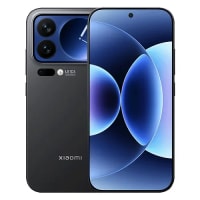
| Release Date | May 14, 2026 | September 23, 2026 |
|---|---|---|
| Operating System | Android 16, Android 16 | Android 17, HyperOS 4 |
| Display Size | 6.9 inches (Main), 3.6 inches (Cover) inches | 6.4 inches (Main), 2.7 inches (Rear) inches |
| Display Type | Foldable LTPO AMOLED | LTPO AMOLED |
| Resolution | 720 x 1600 pixels | 1120 x 2436 |
| Refresh Rate | 120Hz | 120Hz |
| Processor / Chipset | MediaTek Dimensity 7450X | Qualcomm Snapdragon 8 Elite Gen 6 |
| RAM | 8GB | 12GB, 16GB |
| Internal Storage | 128GB, 256GB | 256GB, 512GB, 1TB |
| Main Camera | 50 MP, f/1.7, (wide), PDAF, OIS | 200 MP, f/1.7, 1/1.28", 23mm, OIS (Leica) |
| Selfie Camera | 32 MP, f/2.4, (wide) | 50 MP, f/2.2 |
| Battery Capacity | 4800 mAh | 7000 mAh (China), 6000 mAh (EU) mAh |
| Charging Speed | 30W wired | 100W wired |
| 5G Support | ||
| NFC | ||
| 3.5mm Jack |
Key differences: Motorola Razr (2026) vs Xiaomi 18 Pro
- Xiaomi 18 Pro has the bigger battery (7,000 mAh vs 4,800 mAh on the Motorola Razr (2026)).
- Xiaomi 18 Pro has the faster wired charging (100W vs 30W on the Motorola Razr (2026)).
- Motorola Razr (2026) has the larger screen (6.9-inch vs 6.4-inch on the Xiaomi 18 Pro).
- Motorola Razr (2026) has the lower reference price (799 USD vs 843 USD on the Xiaomi 18 Pro).
- Xiaomi 18 Pro is the newer phone, released about 4 months later.
Generated from manufacturer specifications. Prices are reference launch prices in USD and vary by market.